The key is a cash event
Taking a first room behind the market, or a small house on the edge of the tambon, is often the largest cash day a new household has faced. Landlords here commonly ask for a deposit and a month in advance. The exact multiple is whatever the paper says. Read it before you count the gold.
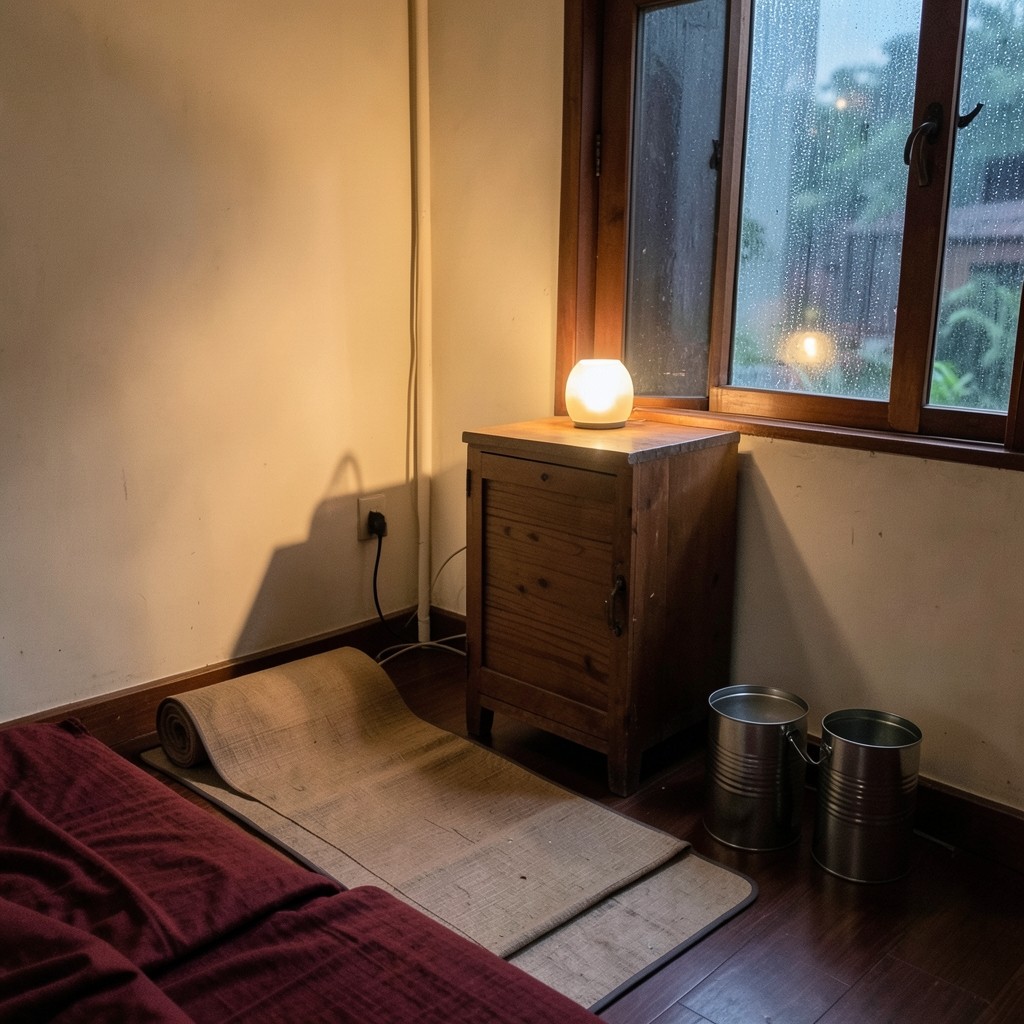
We see couples arrive with a wedding gift already spent in their heads on a wardrobe. The room still needs the deposit. The plan puts the deposit first, then two weeks of rice, water, fuel, and the parent’s sum, and only then the wardrobe. A mat you already own is a fine first week.
What to hold back
Hold back a small tin that stays out of the landlord’s hands. The first payday in a new room is often late relative to the move. A workshop may pay on the seventh. A shop wage may wait until the owner has counted the month. The tin covers the gap between the key and the wage.
If one of you is leaving a parents’ house, ask what you are expected to keep paying there. Some families want the same monthly help. Some want less, because you are no longer eating from their pot. Some want more, because the room proved you have money. The family sitting exists for that conversation. Guessing on moving day is how the tin disappears.
Papers that matter more than curtains
Bring the rent paper to the opening appointment if you already signed it. If you have not signed, bring the figure the landlord said aloud. We will not negotiate with the landlord. We will tell you whether the figure, plus food and family, still leaves a reserve.
A motorbike payment is easy to forget because it feels like transport rather than rent. It is a monthly promise. Write it on the same line as the room. Households who hide it from the plan meet it again when the shop calls.
Request an opening appointment if you want these questions asked of your own month.